Describe the role of the component
Align appearance, finished dimensions and processing details for a component enquiry. A useful enquiry explains the assembly and identifies the part being purchased, rather than relying on the application name alone. Include a drawing or project reference when it helps clarify the requirement.
Bring the specification together
- The intended application and delivery destination.
- Finished dimensions, measurement units and item quantities.
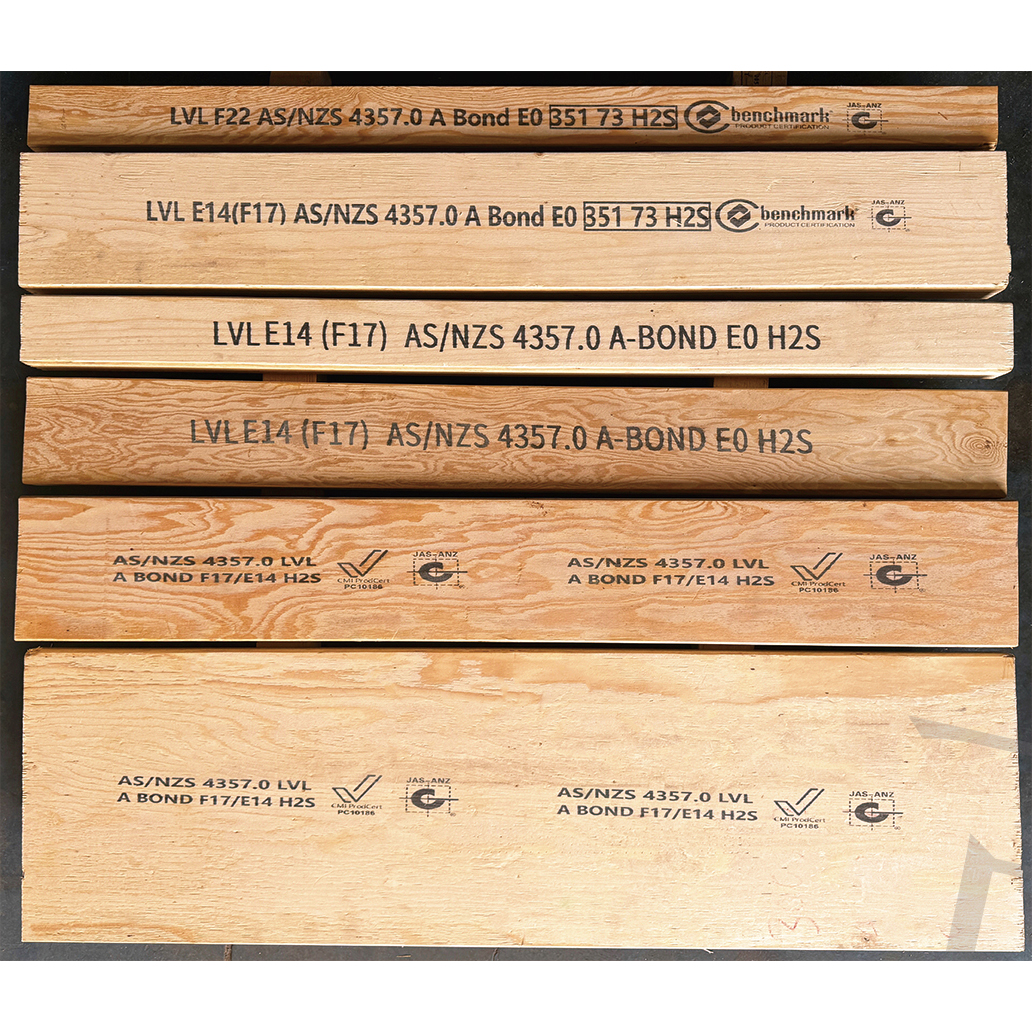
- Relevant project documents and product identification requirements.
- Surface appearance, edge details, machining and finishing.
- Packing, bundle labels and the receiving information required.
Use product information in context
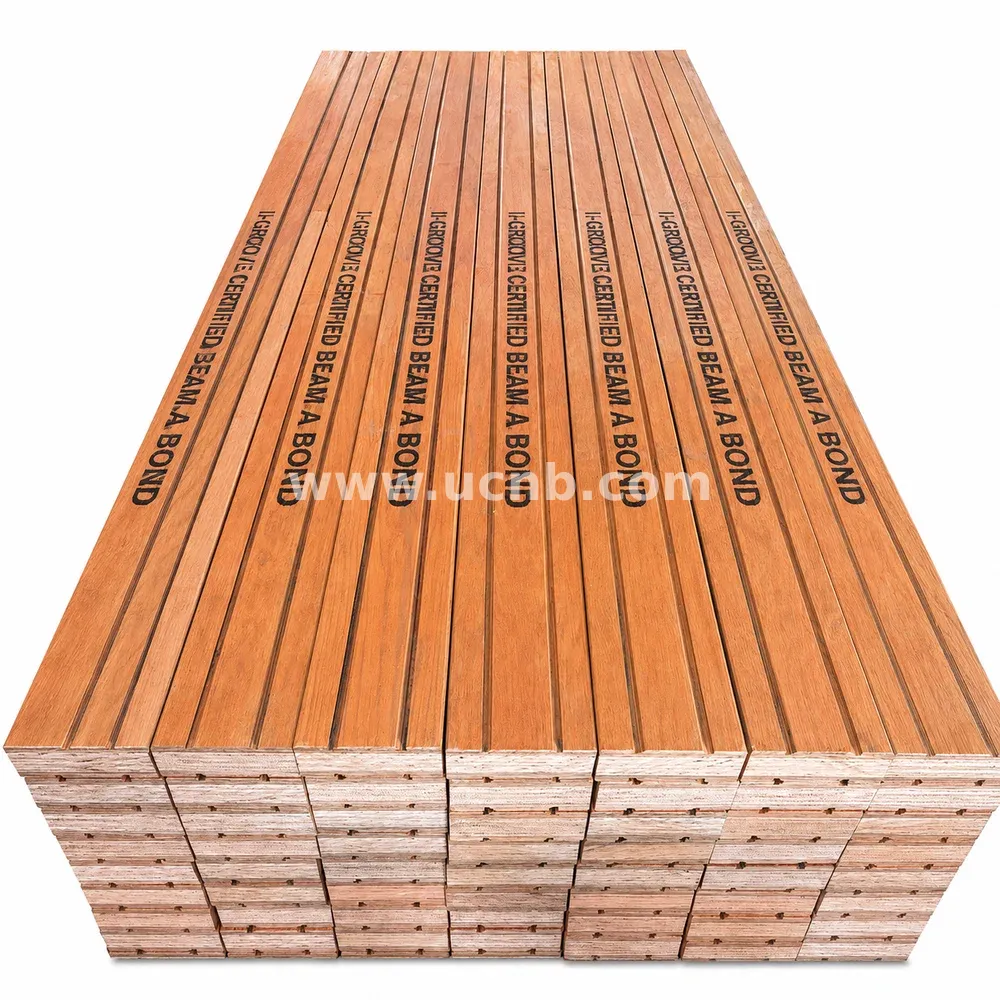
Compare quotations against the same written scope. Product photographs help discuss appearance and processing, while product-specific documents address the requirements of the material being offered. Confirm which information applies to the actual product before treating two materials as equivalent.
Connect the enquiry to production
Explore the related products and manufacturing pages below to connect the product range with the production workflow. Bring your application requirements into the discussion so that the material, supporting information and processing details can be reviewed together.
Agree appearance and machining criteria
Furniture and interior-component discussions often begin with the visible face, edge condition and finished dimensions. Explain whether the part will be seen, covered or machined after delivery. Use an agreed sample or drawing to describe appearance, edge details and the location of any holes or profiles.
Connect the component to its next production step
Describe the intended assembly and the work that follows delivery, such as cutting, drilling or applying a finish. Include the product information and surface criteria required for that use. Clear measurement references and packing labels help the receiving team identify components before they enter the next stage of production.