A test report is most useful when it can be connected to the product and requirement being discussed. Begin with identification and scope, then read the results in context. A familiar organisation name, a certificate image or a single page of results should not replace that reading process.
Start with the identification details
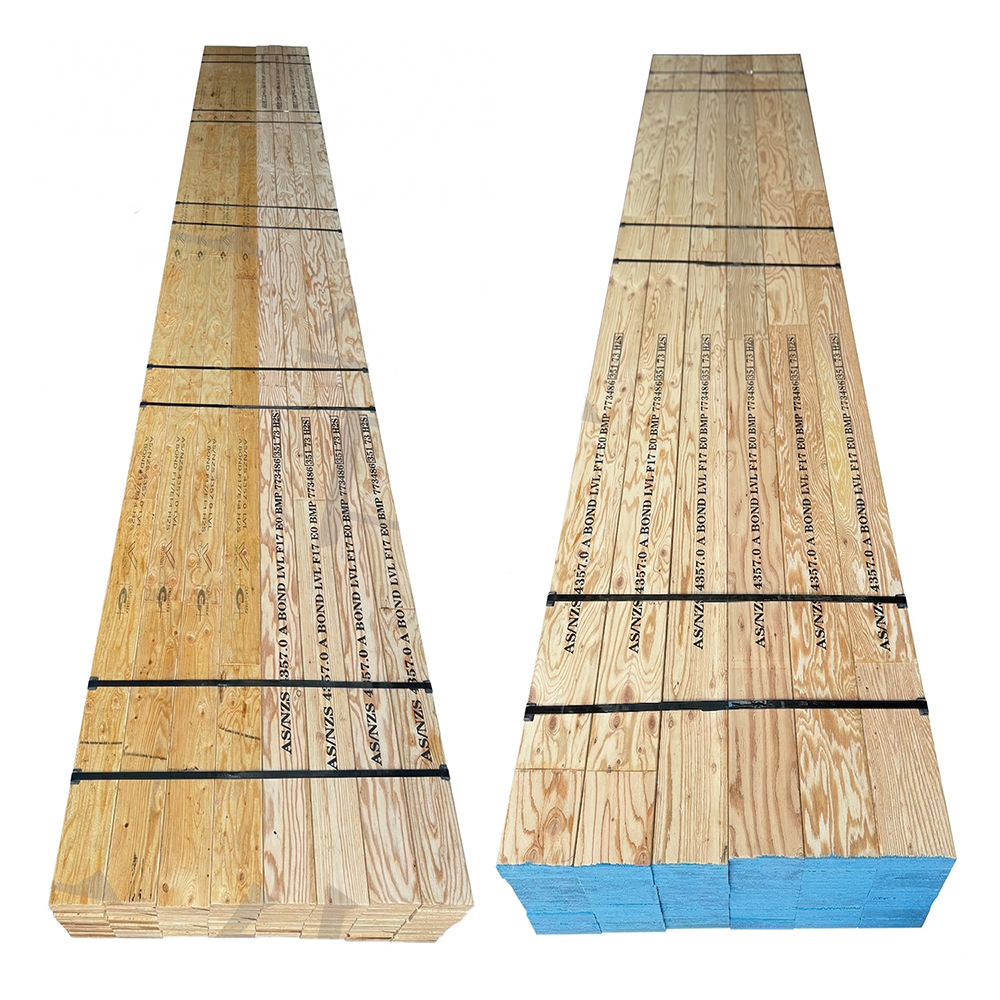
Locate the report title, issuer, reference number, date and page count. Read the sample description and any information identifying the product or manufacturer. If you have a scan or a watermarked image, ask for a legible copy of the relevant pages rather than make assumptions about text that cannot be read clearly.
Confirm the scope of the work
Identify the tests actually performed and the methods listed. A document about one property, one sample or one product range does not establish every other performance characteristic. Where the document includes schedules, annexes or conditions, read those parts together with the front page. A certification arrangement and a test report may also have different purposes.
- Does the sample description match the material in the quotation?
- Which tests and methods are explicitly listed?
- Are all relevant pages and schedules available?
- What qualifications, limitations or conditions are stated?
- How will the ordered material be identified against the agreed documents?
Read results without changing their meaning
Keep the reported units, specimen description and stated conditions together. Do not turn a laboratory result into a new grade, a universal approval or an allowable load. If a product-specific claim is needed for a project, ask for the supporting information appropriate to that claim and have its applicability resolved before ordering.
Use the existing document library carefully
Our Technical Resources area presents the document images already held on the website. They are a starting point for a conversation about supporting information, not a claim that every document covers every product. Tell our team which product, destination and requirement you are discussing so that the relevant material can be identified.
Keep the final specification and the agreed document references with the quotation and order confirmation. This provides a clearer purchasing record than an isolated screenshot or a file saved without its product context.
Sources & further reading
These sources provide general background. Product-specific documents and application requirements should be confirmed for the material being ordered.