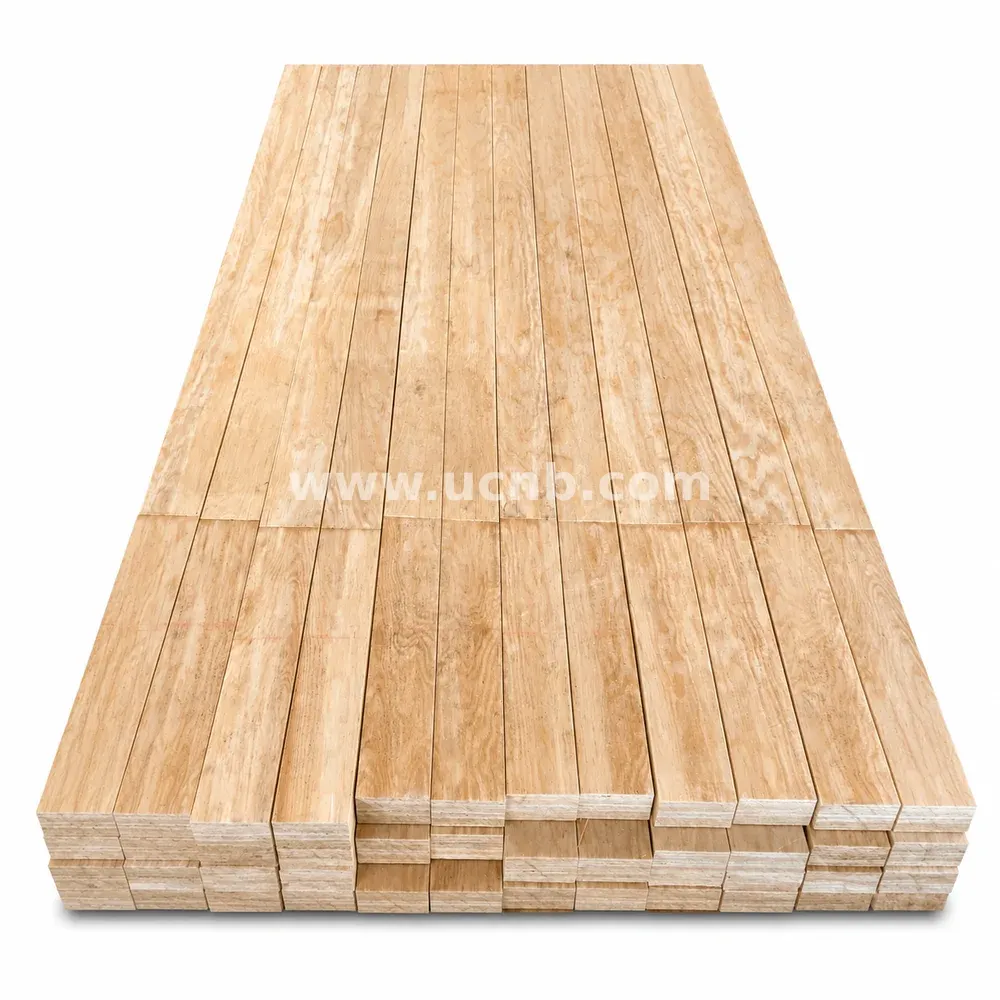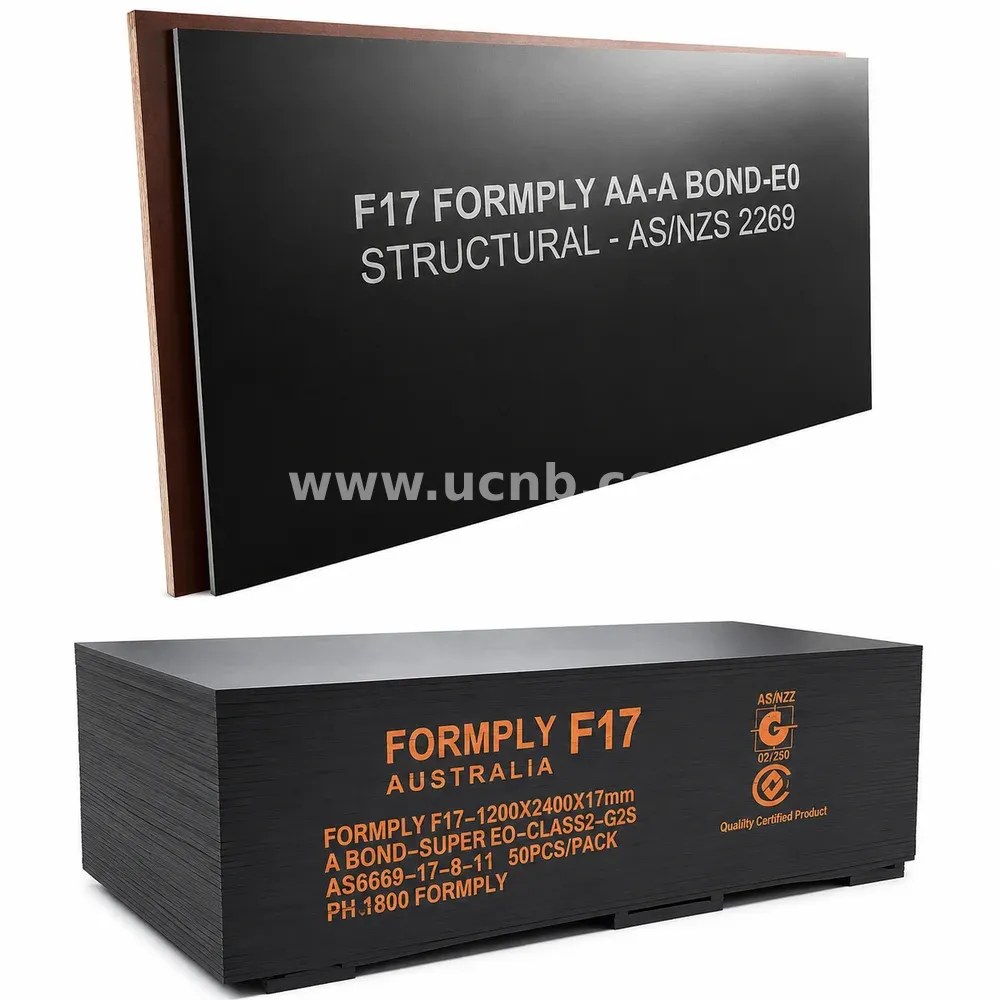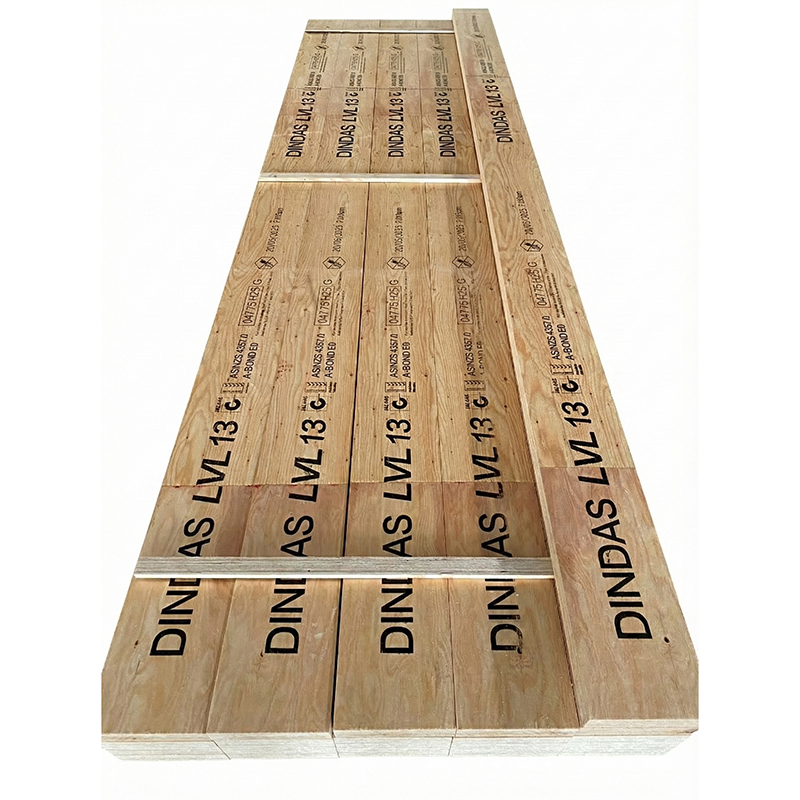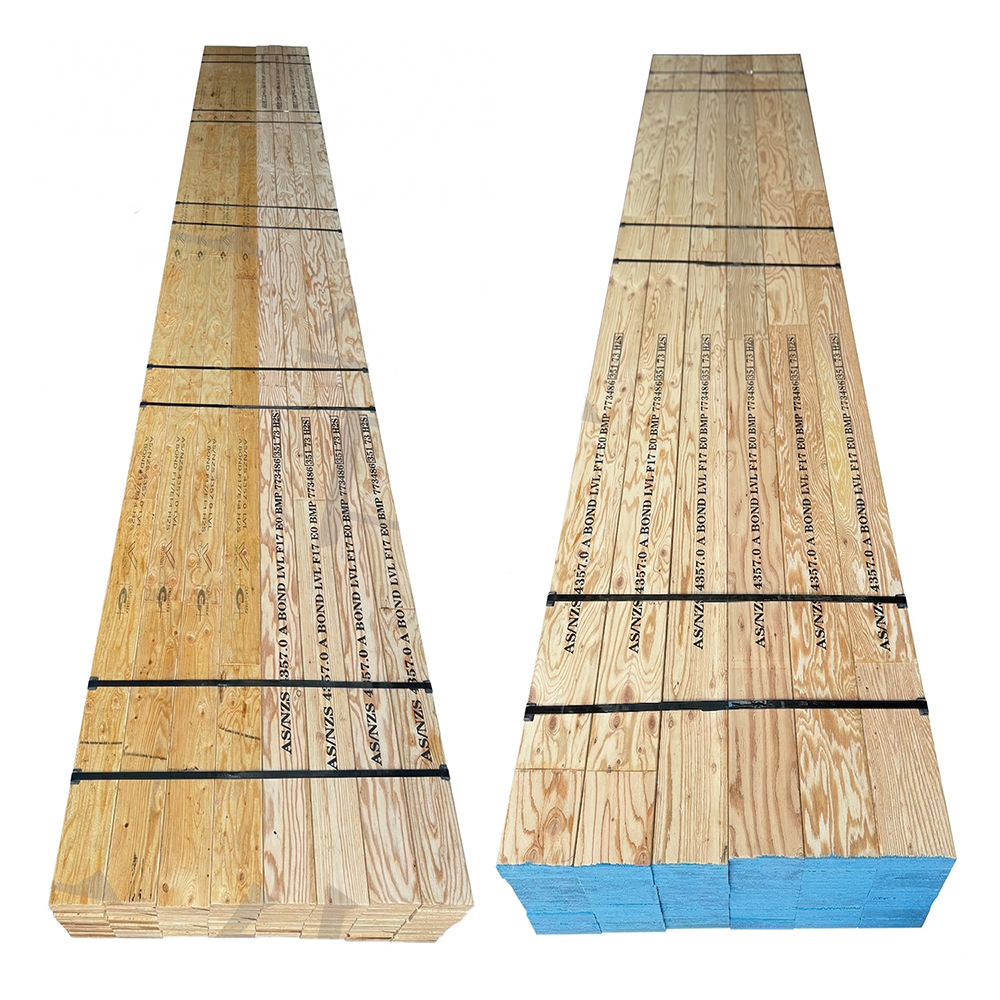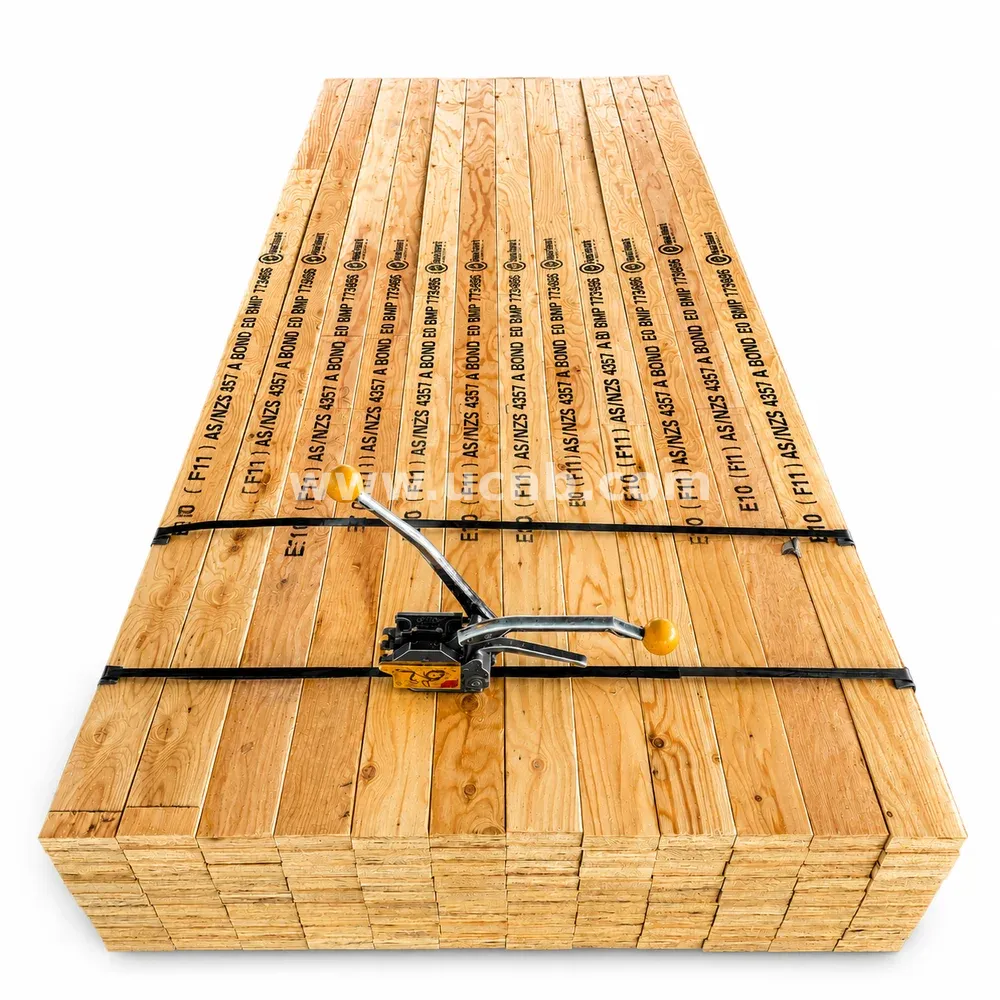
The word LVL identifies a type of engineered wood. A structural application adds a further question: what evidence and specification support the use of the particular product in that application? A purchasing description should make this distinction clear instead of relying on a generic product name, a photograph or a grade mentioned in an unrelated quotation.
Describe the role of the component
State whether the material is intended for a building member, a temporary works component, a furniture part or an industrial packing assembly. Include the project reference and any specified product description. The supplier can then respond to the intended role rather than assume that all LVL enquiries require the same documentation.
Ask which product the information covers
A report or certificate should be read together with its identification details and scope. Ask for the product name, manufacturing identification, grade where relevant and the conditions to which the information applies. The presence of a document in a company library does not mean that it covers every product, size or proposed use.
- Identify the exact product and intended application.
- Confirm the performance information required by the project.
- Check that document identifiers can be connected to the quoted material.
- Clarify exposure conditions, finishing and any subsequent processing.
- Have application suitability resolved before ordering or installing the member.
Avoid an appearance-based substitution
Two pieces can have similar dimensions and surface appearance while being supplied under different specifications. A purchasing substitution should therefore be reviewed against the actual application requirements. Do not convert a catalogue term into an assumed load capacity, and do not use a broad material description as a replacement for product-specific information.
Turn the discussion into an enquiry
Provide the required dimensions, quantity, destination and any drawings or document references. If the component will be cut, drilled, notched or assembled after delivery, include that information too. The goal is a clear written scope that connects the material being offered with the questions your project needs answered. YELUWOOD can discuss the product information and production details relevant to your enquiry.
Sources & further reading
These sources provide general background. Product-specific documents and application requirements should be confirmed for the material being ordered.